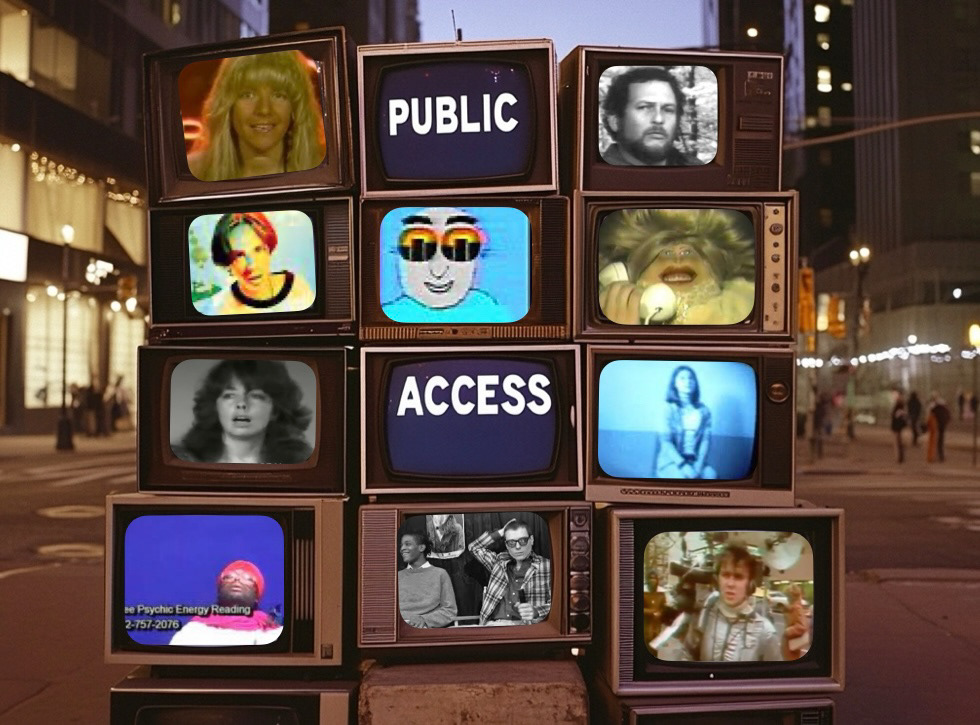
Before there was the internet, there was Public Access.
Public Access is the untold story of the channels that shattered norms, subverted media, and foretold our world today.
"Mesmerizing.” USA TODAY, Brian Truitt, 10 Best Films at Sundance
“Lively and engaging.” THE NEW YORK TIMES, Manohla Dargis
“Essential viewing.” THE FILM STAGE, Jordan Raup
"Crazier than you could imagine.” ROLLING STONE, David Fear, Best Films at Sundance
“Fascinating. Best History Lesson (In A Fun Way).” QUEERTY, Cameron Scheet
“A strikingly relevant look at the making of our modern world.” MOVIEMAKER MAGAZINE, Tim Molloy
"A tribute to underground media and its importance to the 20th century.” CONSEQUENCE, Liz Shannon Miller
"A startling window into what once was considered horrific button-pushing to some and vital free speech to others." AWARDSBUZZ, Abe Friedtanzer
“Warm-hearted and energetic.” SCREEN DAILY, Nikki Baughn
“Riveting.” HORROR BUZZ, Brian Fainelli
"Pure catnip.” SALT LAKE CITY WEEKLY, Scott Renshaw
“A kaleidoscopic and deeply moving documentary." SCREEN RANT, Gregory Nussen
"Brilliantly executed.” SUNSHINE STATE CINEPLEX, Alan French
“Feels like discovering a secret history and a reminder that the battle over who gets to speak has always been the battle that matters most.” SCRIPT MAGAZINE, Rahul Manon
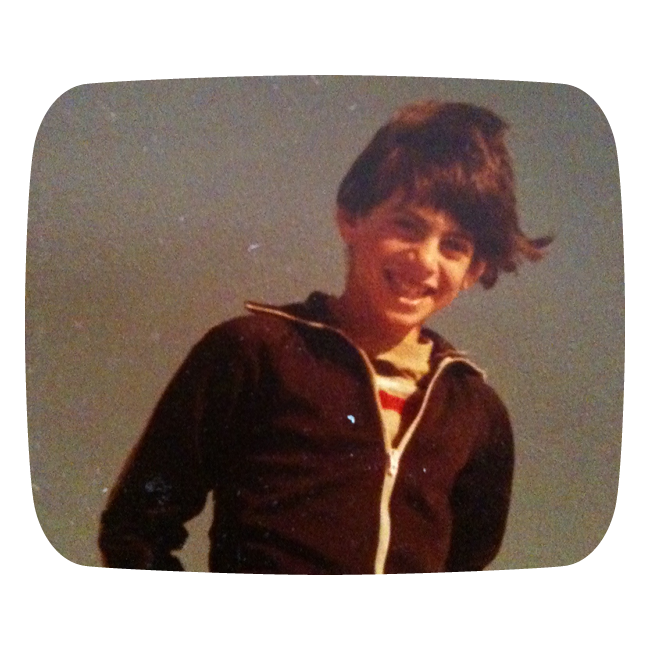
David Shadrack Smith, Director
It’s hard to imagine a time before we could all have our own channels – to share our ideas publicly and express ourselves shamelessly. But before the internet and social media, experimenters, boundary-pushers, and wannabe stars saw Public Access TV for what it was: an unprecedented space for raw, unfiltered self expression, open to (for better or worse) absolutely everyone.
This is the origin story of how we – the people – fused technology and self-expression to create and consume: uploading our best and worst selves and watching without knowing what would come next. It challenged social decorum. It spoke truth to power. It was interactive in a way TV had never been before, featuring call-in shows that created conversation or devolved into trolling. And just like the internet, its many legal and civic challenges raised the important questions: What is free speech? What are we comfortable with as a culture and a Democracy? How do we create space for the margins to speak to the mainstream?
For decades, New York’s Public Access channels showcased the greatest cornucopia of outsiders and misfits ever beamed into unsuspecting people's homes. They were inadvertent and sometimes deliberate revolutionaries, embracing the free-for-all space that had been mandated as their own.
When I first encountered it as a kid, my hand froze on the cable box set. Stunned, my eyes wide, I wondered: what had I just witnessed? But that’s the thing about Public Access, it was ephemeral, strange moments flickered and then were gone. Until now. We're unearthing hidden treasure the way you would dig up a lost city: with a realization that this was foundational, that we've been here before.
Public Access reflected and refracted the world around it, shattered norms, and tapped into basic human urges. It was chaos, a wild west of content. Surprise, shock, curiosity, and provocation suffuse the unfiltered emotional space of the film. In the New York crucible of a progressive youth culture, an underground of ideas, an unstable economy and an epidemic, everyone was pushing boundaries. What made it to air reflected this sense of experimentation – and for kids like me, a window into a subversive world hidden in my own backyard. Public Access programming brought the marginalized, the experimental, the sexually undefined, the famous and semi-famous, and sometimes the downright illegal into New Yorkers' apartments. It was, maybe more than any space I've ever seen, creativity unpasteurized.
What unfolded on Public Access still echoes today — in its fierce debates over free speech, its democratizing impulse, and its vision of media as an open platform for all.
THE FULL STORY
Freedom of expression has always been a point of tense negotiation in democracies. How can we ensure that every voice is heard? How do we protect our children from dangerous ideas? What happens when access to the media is completely democratized, when anyone can say anything, and everyone can listen?
This is the story of the media activists who fought for the democratization of television, and the agitators and innovators who took advantage of it.
Public Access television was both a product of a new technology and a social moment. Video – cheap, user-friendly, and accessible – collided with a moment of post-60's provocation; a crude-and-rude spirit of empowerment and social upheaval. Cable companies were mandated to dedicate a few channels to the public to serve as a virtual town square. Avant-garde performance, radical politics, porn, and nontraditional ideas emerged from the underground. Anyone with a cable box could now see the fringe right there, from the comfort of their living rooms, and anyone with a video camera could create. You could put your perspective, your art, or even your body on full display – for all of New York to enjoy (or tolerate).
That was the revolution: this unadulterated content could share space with everything from Dan Rather to “Dallas.” LGBT protests aired next to "Family Ties;” talking plants next to ABC’s “Movie of the Week;” orgies next to “The Tonight Show.” Corporate interests, outraged citizens and mainstream networks did everything they could to stop it – or at least profit from it. Then, as now, there was talk of decency. And eventually, the threat of censorship sent a motley group of producers to take on Big Cable in the Supreme Court. But something had begun that would not be undone.
As was written in the early days of coaxial cable implementation: "Not only will Public Access distribution topple the oligarchy of one-way information controlled by corporations, it will allow viewers to interact with the screen — to call-in, to shop, to bank from home, to vote in polls, and to order the programs of their choice." The logical conclusion of cable’s infinitely expandable cornucopia of channels: one day, every American would have his or her own TV show.
Sound familiar?

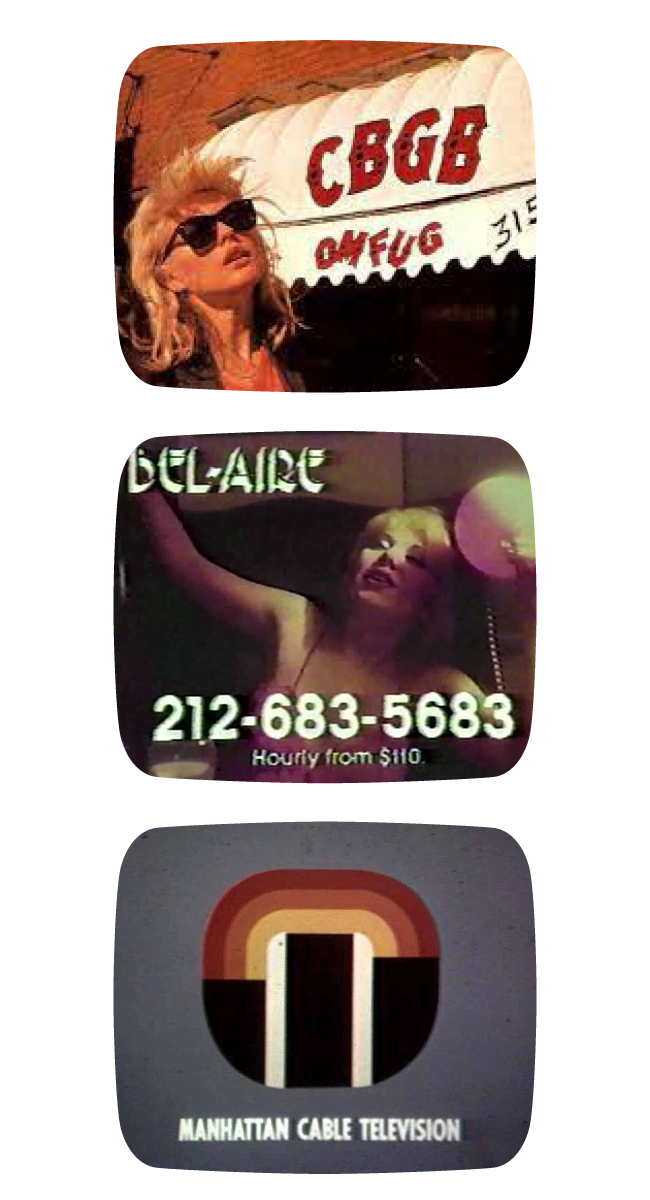
The Content
The rules were simple: anyone could get on the air, unregulated, unfiltered and uncensored.
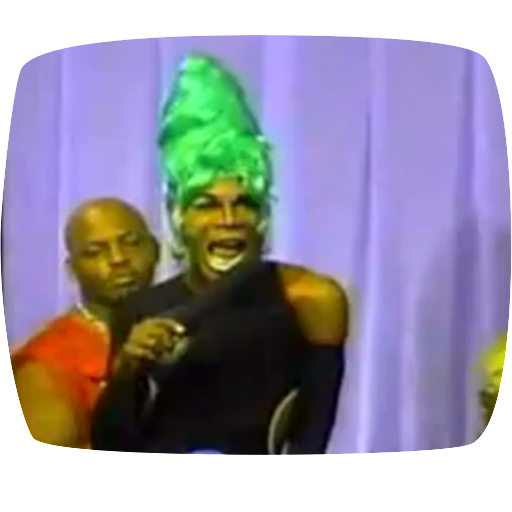
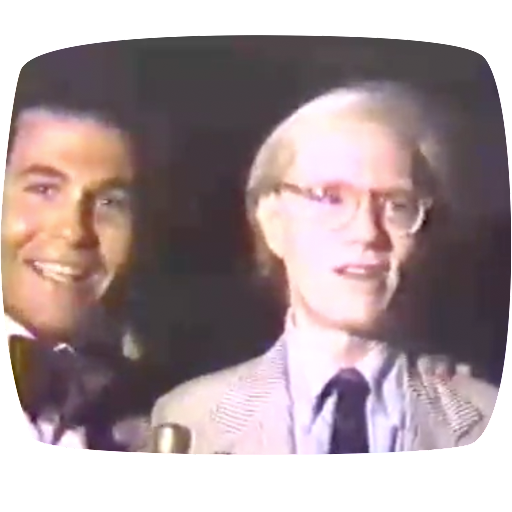
The people drawn to this new medium were a beautiful cast of misfits. From fortune tellers to Basquiat, Debbie Harry to the “King of Porn” Al Goldstein, Fab Five Freddy to early furry, Rapid T Rabbit. The aesthetic was home-spun and much copied; the freak flag flew on Public Access. These days, it’s hard to imagine being shocked by anything people put online; it’s a barrage of endless distraction, porn, and everyone’s-their-own-star TikToks. But back then, Public Access was the only show in town that didn’t look or feel like the “Love Boat” or “Happy Days.”
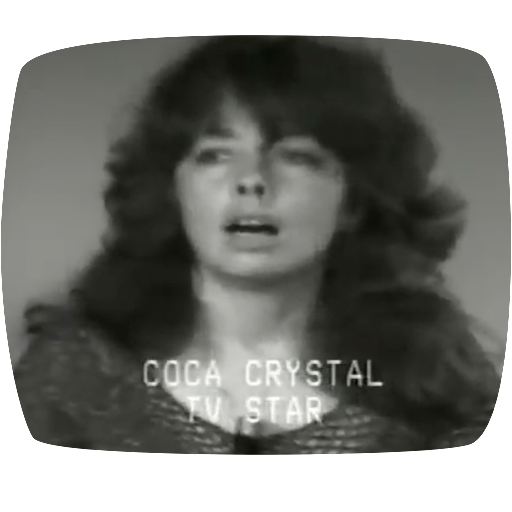
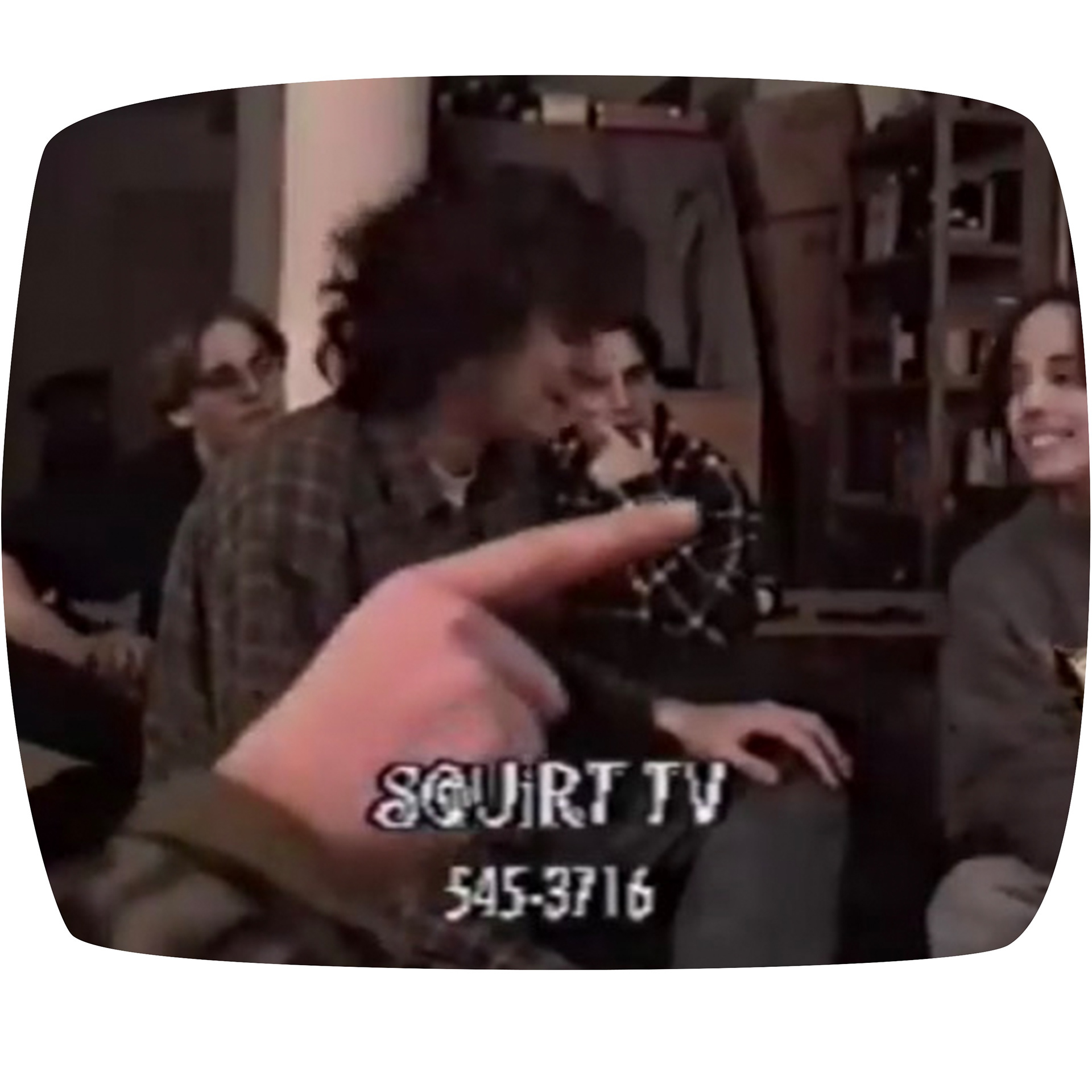
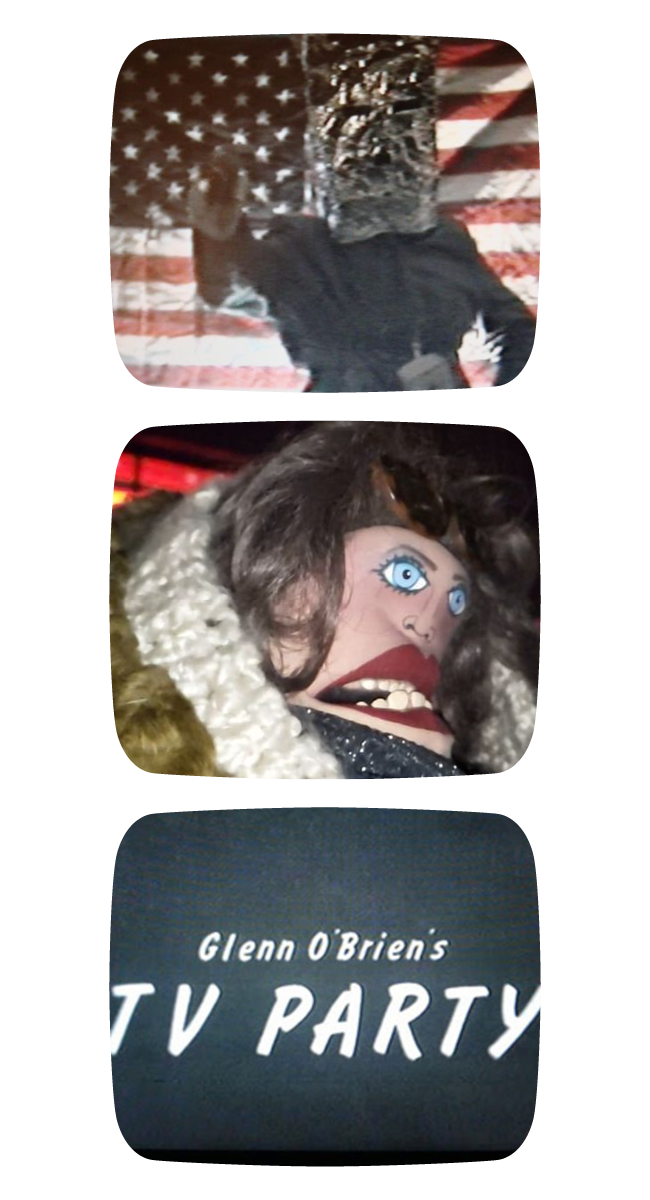
Spurred by the new video technology that made production cheap and easy, an unbridled wave of production came pouring in. “If I Can’t Dance You Can Keep Your Revolution" featured anarchist Coca Crystal, conducting interviews in a cloud of pot smoke. Debbie Harry and Basquiat were regulars on “TV Party,” a glimpse into the coolest art party you weren’t invited to. And adult programming thrived on cable access. “The Ugly George Hour” followed roving provocateur George Urban as he trolled the streets of Manhattan, coercing women to undress for his camera. “Midnight Blue” had political satire, and Al Goldstein’s famous “F– you” segment, but was best known for its salacious content and lucrative commercials for the sex industry. “Mrs. Mouth” was simply a show of a man’s chin upside down with a face drawn on and a wig on his neck, getting fed strange substances. 14-year old Jake Fogelnest started “Squirt TV” in his bedroom, which was quickly snatched up by moguls at MTV. A woman famously gave birth live on camera.
Cable access made stars of fringe performers like erotic dancer and talk show host Robin Byrd, gave a platform to incendiary porn kingpins like Al Goldstein, and tackled the HIV/AIDs crisis with trailblazing activists like Lou Maletta, long before the mainstream media acknowledged the story. Sex change operations aired next to religious programming, boy scout troops rubbed elbows with rock stars. Oh, and you could call in to get your fortune read on a show called “Flaccid Ego,” just one of many uncategorizable shows that you could stumble upon.
By the late-1980s, Public Access had content ranging from experimental video art and poetry readings to full-frontal talk shows. It was synonymous with the weird, the wild, and the erotic, and people were tuning in. Concerned citizens were…concerned…and tried to pull the plug on Public Access. Its legacy remains influential to artists, filmmakers and anyone who encountered something they never imagined.
The video mixtape of archival is a celebration: of creativity, alternative culture, technological innovation, and especially of that irrepressible desire to go out and make something, just because you can.

Video archives
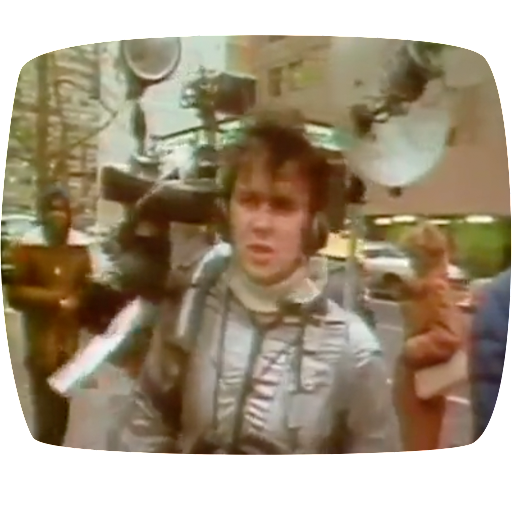
Our documentary is told with rare primary source archives. We tracked down tapes that had been sitting in basements, closets and storage units for decades, not seen since they originally aired. Much of this footage was -- and is -- on the brink of being lost forever, but our film helped a small conservation effort, preserving pieces of NYC history that have long belonged to its most overlooked and marginalized communities.
The film will is a curated mixtape including shows that live in collective memory, ephemera, original documentation and behind-the-scenes references. It features seldom seen appearances from Bob Marley, Blondie, Jean-Michel Basquiat, Tina Turner, The Rolling Stones, Spike Jonze, The Beastie Boys and many more. And of course the unpredictable and often controversial content that made public access in New York infamous alongside archival of New York in all its video and film glory.
The goal visually is to immerse the viewer in a present tense response of emotions, like those one might have felt seeing this material for the first time: Surprise, bewilderment, joy, concern, anger, and infinite curiosity.
Public Access reveals the human urge to create.
The filmmakers
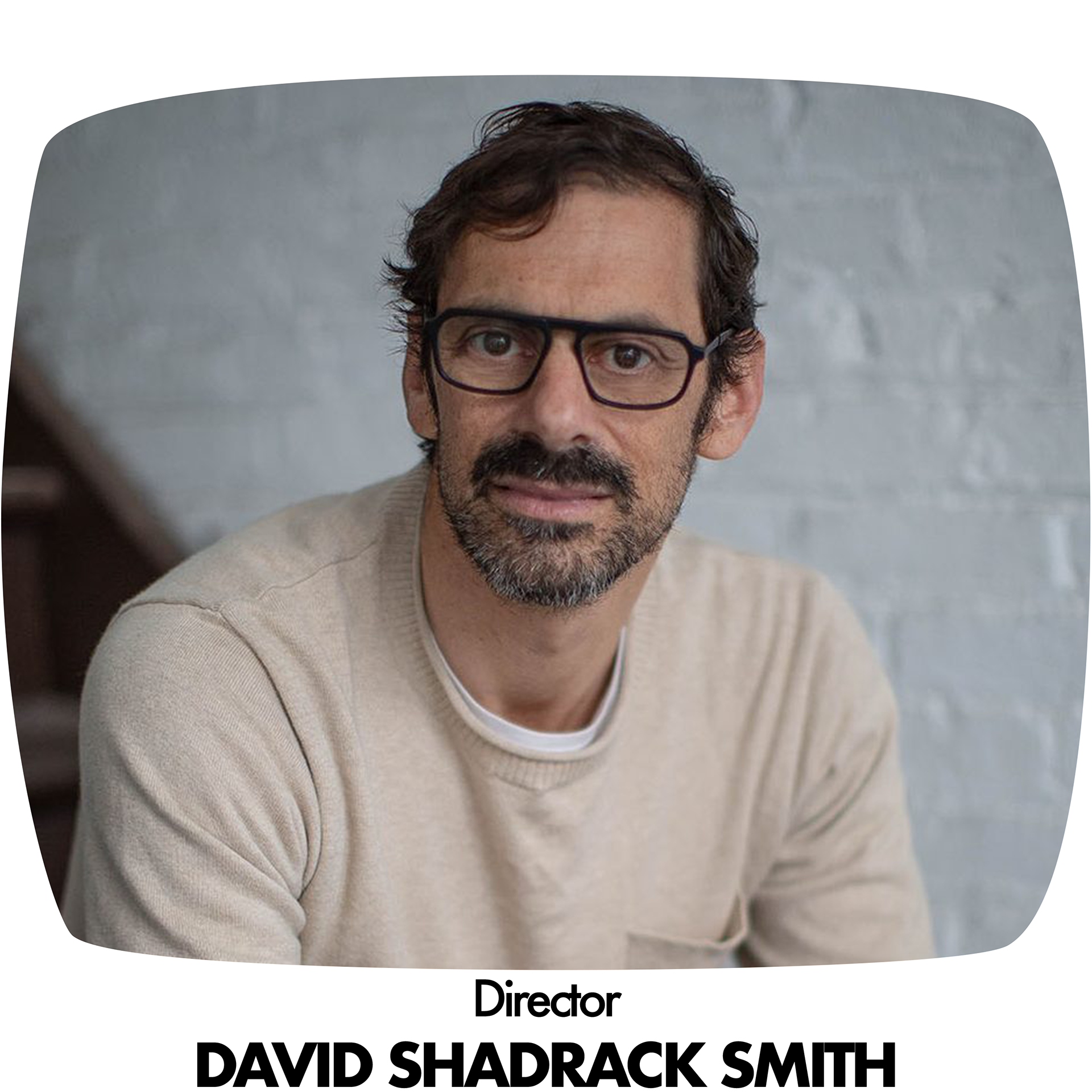
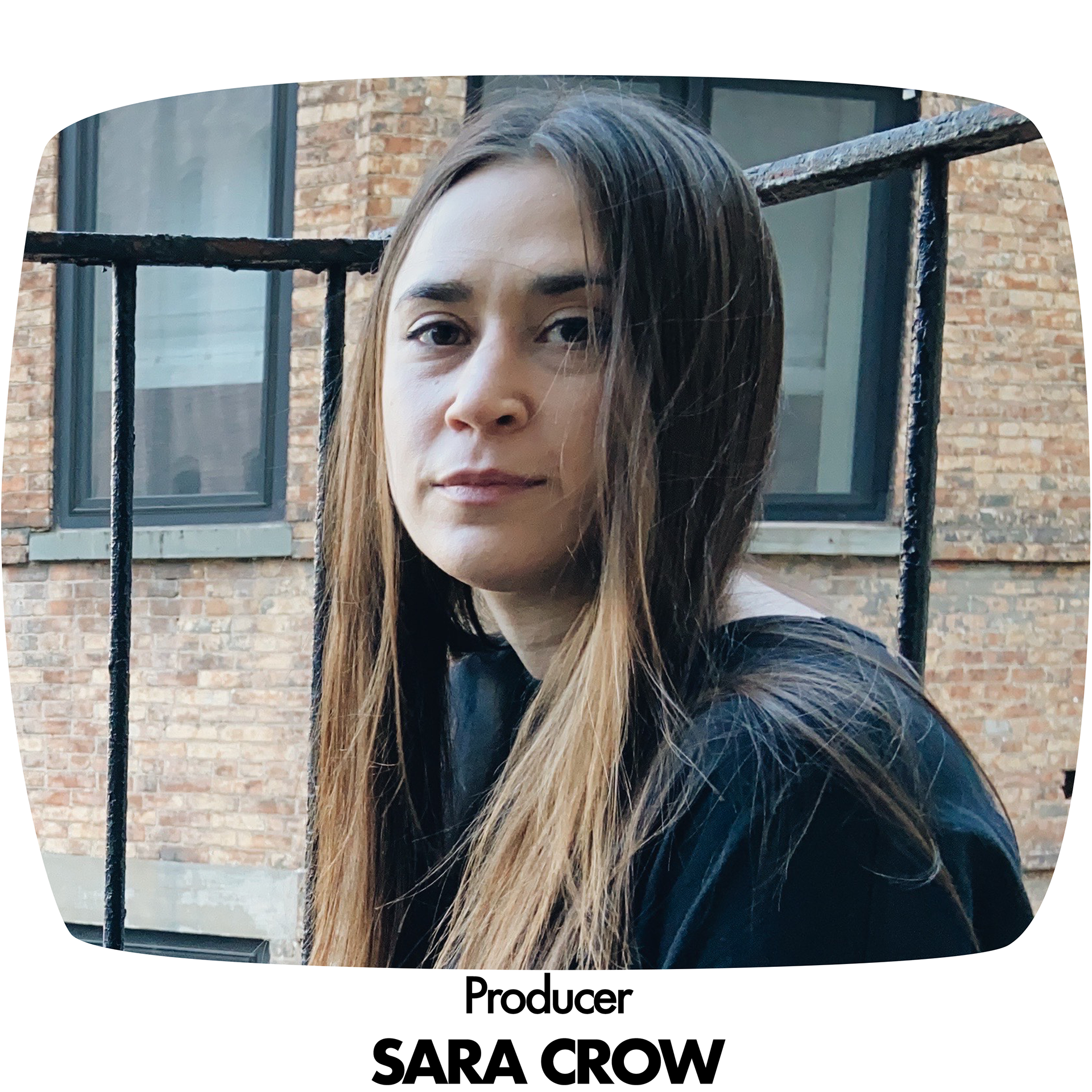
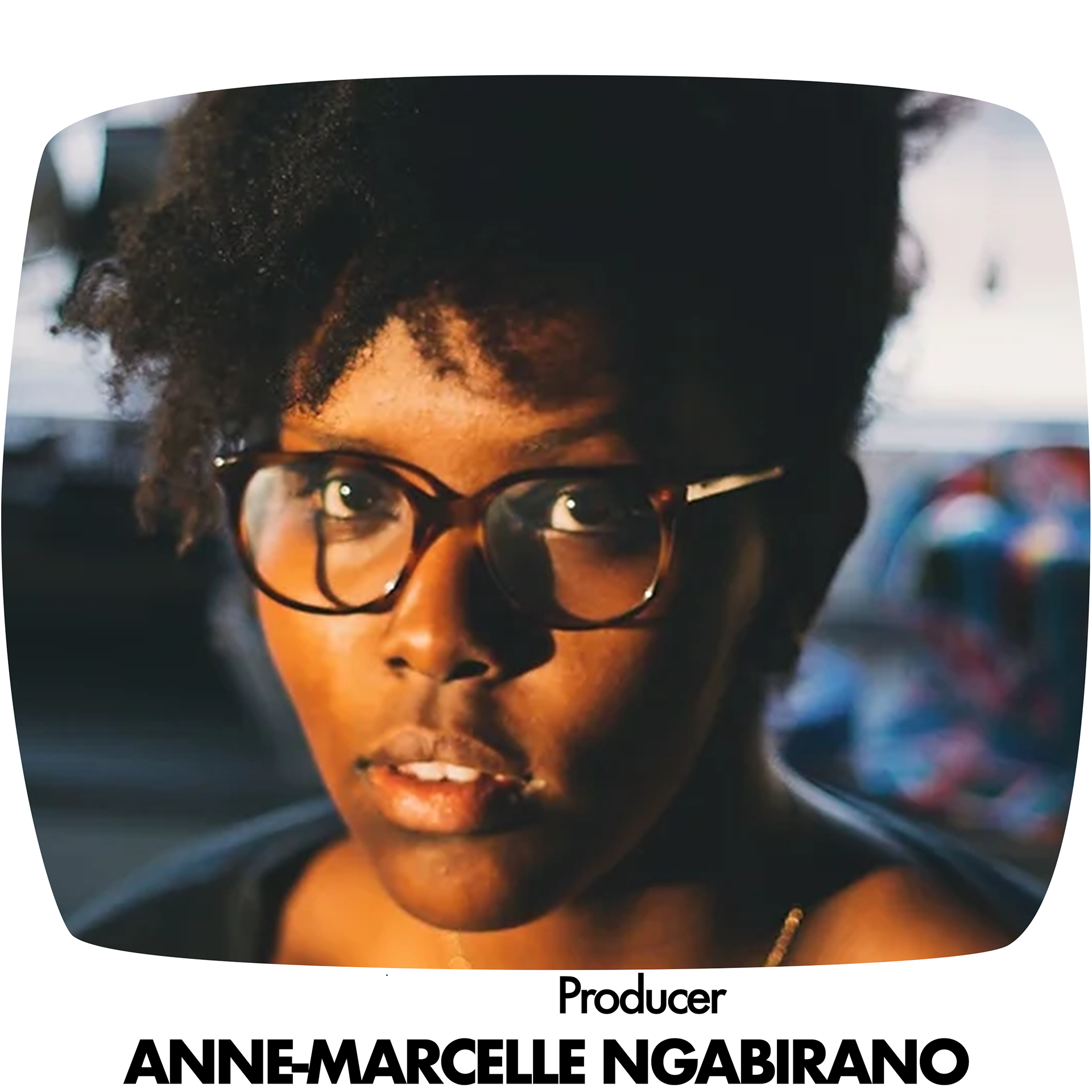
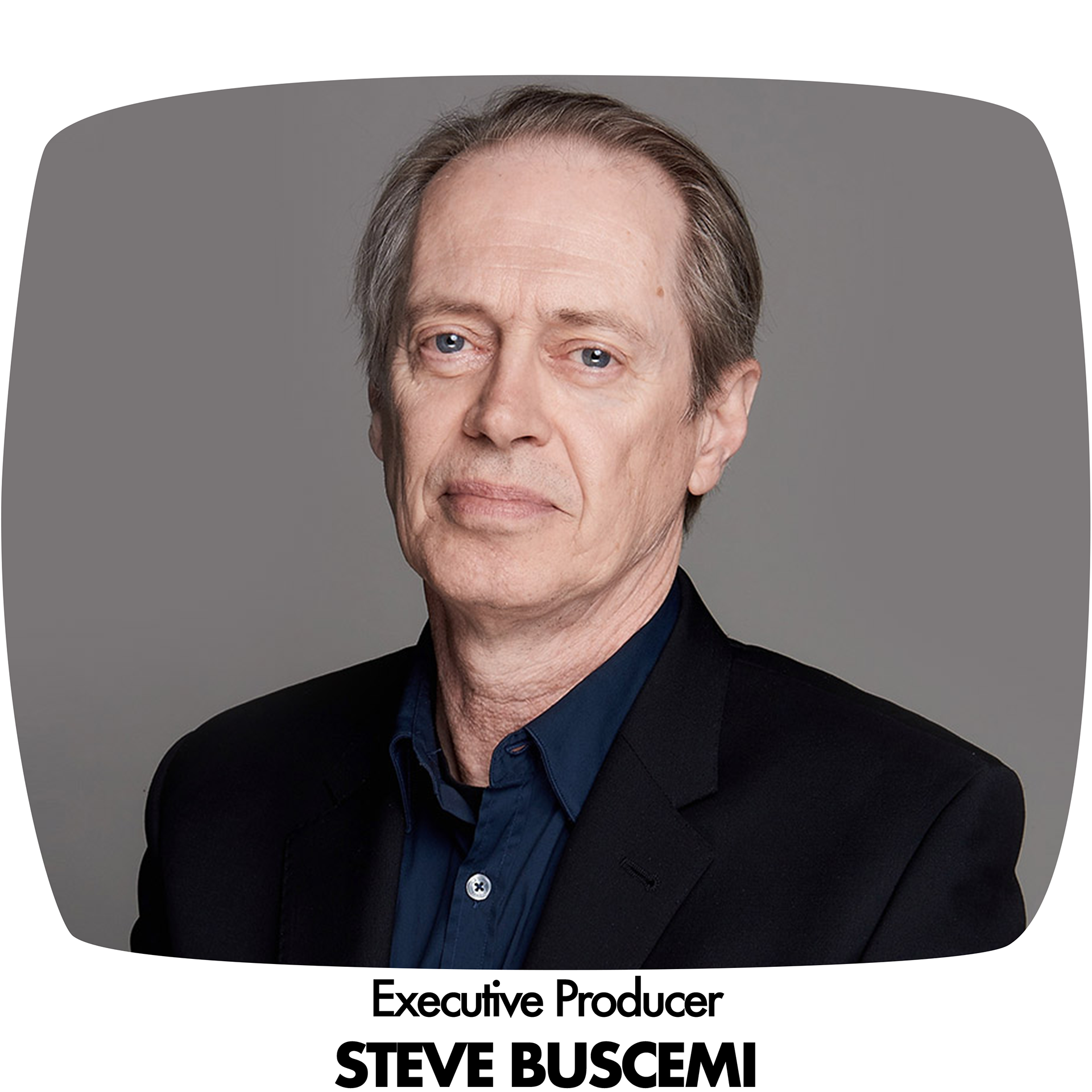
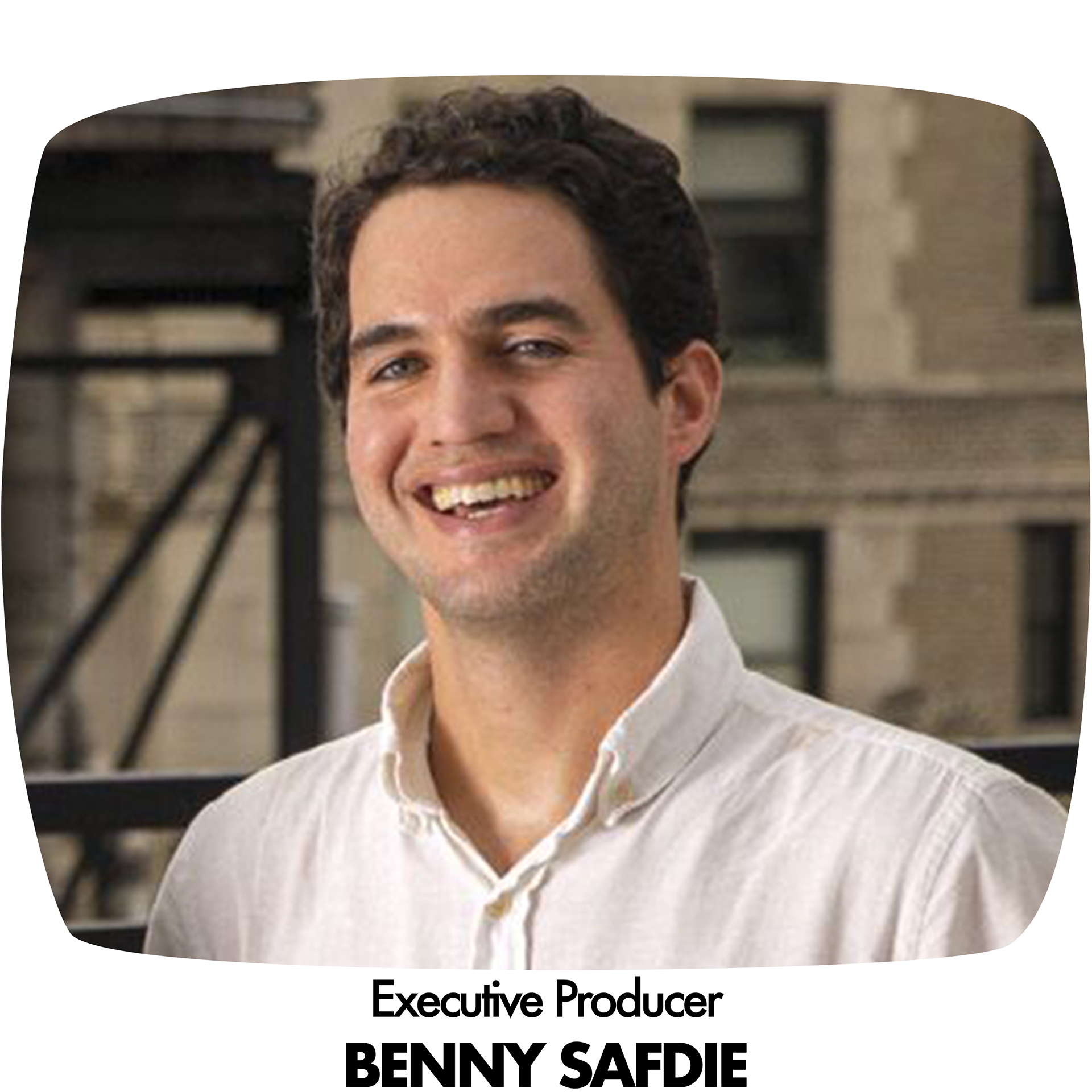
Public Access brings together a team of directors, producers and executive producers whose New York roots run deep. Watching it left a creative MARK on all of us.
Part2 Pictures is a premium documentary production company based in Brooklyn. Focused on stories through a human lens, its award winning films and series include Taste the Nation with Padma Lakshmi (Hulu), Dark Net (Showtime), This is Life with Lisa Ling (CNN/MAX) and Belief with Oprah Winfrey. Films include An Honest Liar and The Redemption of General Butt Naked. Part2 has earned numerous awards including Emmy's, IDA, Gracies, and a Sundance Jury prize.
Olive Productions was founded by Wren Arthur & Steve Buscemi. OLIVE has produced Emmy winning documentaries, the web series PARK BENCH WITH STEVE BUSCEMI; and the PBS Independent Lens documentary MEDORA. Other documentaries include the HBO documentary A GOOD JOB: STORIES OF THE FDNY; CHECK IT (Acceptance Is Worth Fighting For). Recent features Vertical’s THE LISTENER directed by Steve Buscemi, starring Tessa Thompson. Tribeca Festival Audience Winner PSYCHO THERAPY (A Shallow Tale Of A Writer Who Decided To Write About A Serial Killer).
Out for the Count is the multimedia production company of Director, Actor, Writer and Producer, Benny Safdie. His work with his brother Josh Safdie spans feature films (Uncut Gems, Heaven Knows What), numerous experimental shorts and radio. Their most recent documentary productions include the acclaimed HBO series, Pewee Herman As Himself, Telemarketers, and the Venice-award-winning documentary film Thank You Very Much about the life of Andy Kaufman. Bennie's solo projects have included Showtime's The Curse, numerous acting roles, and the forthcoming feature film, The Smashing Machine, starring The Rock.